The warmest kids coats in 2026 include puffer jackets, shell jackets, parkas, and 3-in-1 systems from top brands like Akova, Reima, and Town Hall. Look for 10,000mm+ waterproof ratings, quality insulation, and sealed seams. Babies need one-piece snowsuits while teens prefer insulated parkas. Proper care with gentle washing and annual waterproofing extends coat life for multiple seasons.
Winter is coming! And with it comes all those fun family plans you’ve been thinking about. Your kids might be excited about school break vacations, a trip to any gulf countries, maybe UAE, that dream visit to Disney World, or maybe just visiting family somewhere cooler. Whatever you’re planning, winter season brings lots of good times.
But if you’re going anywhere with cool or cold weather, your kids need proper clothing. In the Gulf we’re used to heat, not cold, so our kids aren’t built for chilly weather. When your kids go outside in cool temperatures, they catch colds easily if they’re not dressed properly.
For western country visit, the warmest kids coats become super important. There’s a huge difference between just looking like your kid is bundled up and actually keeping them warm enough to play and explore outside for hours without getting uncomfortable.
That’s why I wrote this guide. You shouldn’t have to waste money on coats that don’t work or watch your kid refuse to wear something because it feels bad. In this blog, you’ll learn everything about picking the warmest kids coats for 2026, whether you need one for a quick trip, a longer holiday, or just being ready for winter weather whenever it comes.
By the time you finish reading, you’ll know exactly what to look for and your kids will stay cozy, dry, and happy to play outside, no matter where you go.
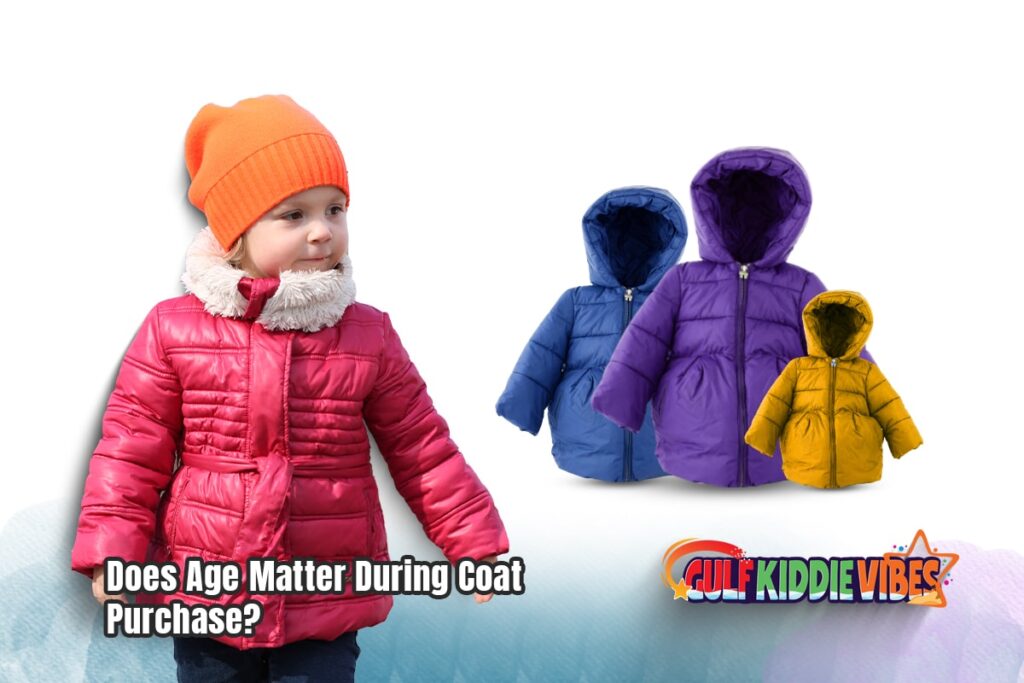
I live in Qatar, and finding the right winter coat for my toddler took some effort. I searched for kids coats that would fit her properly, keep her warm, and not be too loose on her small frame. The waterproof kids jackets available were either oversized, uncomfortable, or just not the right fit. When I had to shop for my teenage daughter later, it was much simpler. She knew what she wanted, sizing was straightforward, and the whole process was quick.
Age definitely matters when you’re buying winter coats. Babies, toddlers, pre-teens, and teens all need different things. Each age group has different needs, and knowing what to look for saves time and money.
Babies and toddlers need one-piece snowsuits for winter. Look for ones with soft fleece lining, waterproof fabric, foot loops to stay in place, and an adjustable hood. Easy diaper access is important too, so choose snowsuits with snap openings that don’t require completely undressing your baby.
Pre-teens and teens need waterproof shell jackets or insulated parkas. Look for a waterproof rating of at least 10,000mm, sealed seams, a detachable hood, and wrist cuffs with thumb loops to keep snow out. Pockets are practical and useful for storing things.
For teens, style is important. They’re more likely to wear something they actually like. Puffer jackets in good colors, technical ski jackets, or modern parkas all work well at this age.
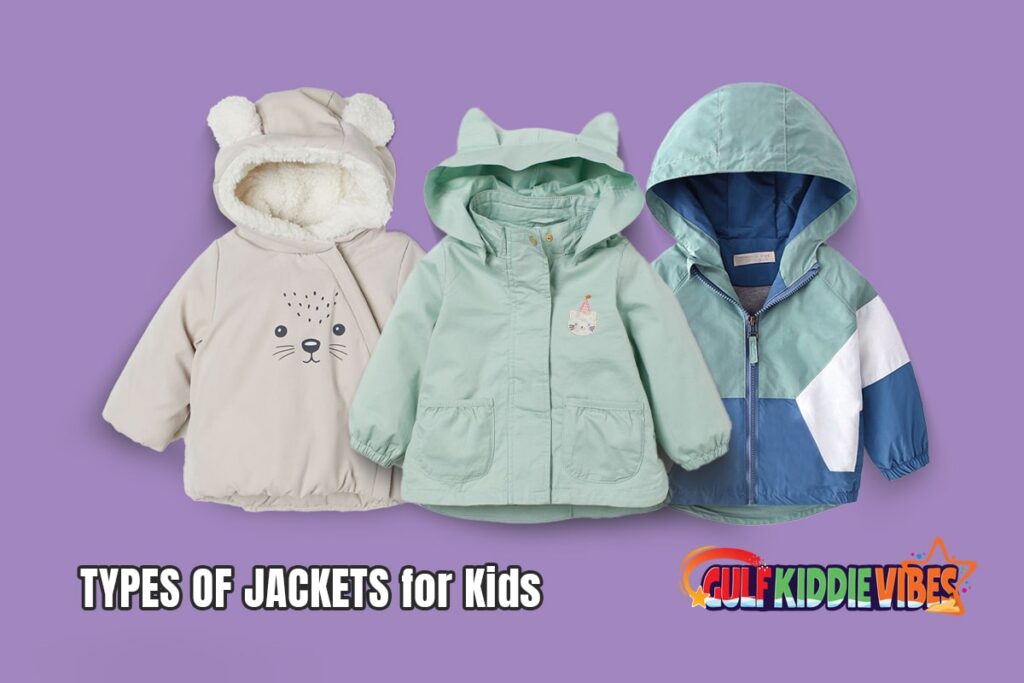
When I first started shopping for kids coats, I saw so many different types and honestly got confused. Puffer jackets, fleece jackets, shell jackets, parkas, snowsuits.
I kept wondering why there were so many options if they all did the same thing. But they don’t. Each type of jacket has a different purpose and works better for different situations. Once I understood what each one does, picking the right coat became way easier. Here’s what I learned.
These are filled with either real down feathers or synthetic material that traps air and keeps warmth close to your child’s body. Puffer jackets are lightweight, which means your kid can move around easily without feeling weighed down.
Down jackets are slightly warmer than synthetic puffers but also more expensive. If you’re dealing with really cold weather, puffer and down jackets are solid choices because they keep your child warm even in freezing temperatures.
Fleece is soft, comfortable, and easy to wash, which makes it great for everyday wear. The problem is fleece alone doesn’t protect against wind and rain. It’s best used as a middle layer under a waterproof shell jacket, or on mild winter days when the weather isn’t too wet.
It works well when attending school or daycare in cool weather because they’re easy to put on and take off, and kids don’t complain about comfort.
These jackets are made from special materials like GORE-TEX or Dry Vent that let moisture escape while keeping rain and snow out. Shell jackets work really well when you pair them with a warm layer underneath, like a fleece or thermal shirt.
They’re lighter than insulated coats but offer better protection from weather. If your child spends time outside in wet or slushy snow, a waterproof shell jacket is essential.
Related: Winter Kids Clothing Essentials: A Complete Guide for Parents
A parka is a longer, thicker coat designed to handle serious winter conditions. It usually goes down to your child’s knee or mid-thigh and has heavy insulation built in. Parkas come with features like fur-lined hoods, deep pockets, and strong waterproofing.
Parkas work best for kids in cold climates or who spend long hours outside. They keep your child warm in extreme cold weather.
Bomber jackets look stylish and cool, with ribbed cuffs and a sleek design. They work best as a lighter option for mild winter weather like in gulf sides, or when your child is layering underneath.
A bomber jacket alone won’t keep your child warm in freezing temperatures, but paired with good base layers and a thermal shirt, it can work for everyday school wear. Older kids especially like bombers because they have that trendy look.
These are basically two jackets in one. You get an outer waterproof shell that zips together with an inner insulated jacket. Your child can wear the shell alone, the insulated jacket alone, or zip them together for maximum warmth.
This system is genius for growing kids because you essentially get three different coats from one purchase. You can use it for different seasons too, making it great value for money.
Related: How to Layer Kids’ Clothes Without Bulkiness: A Practical Guide
Snowsuits cover your child completely from neck to toes in one piece, so snow can’t get inside. They’re good for toddlers and young kids who play in the snow. Most snowsuits are waterproof with reinforced knees. The problem is they take time to put on and older kids find them restrictive.
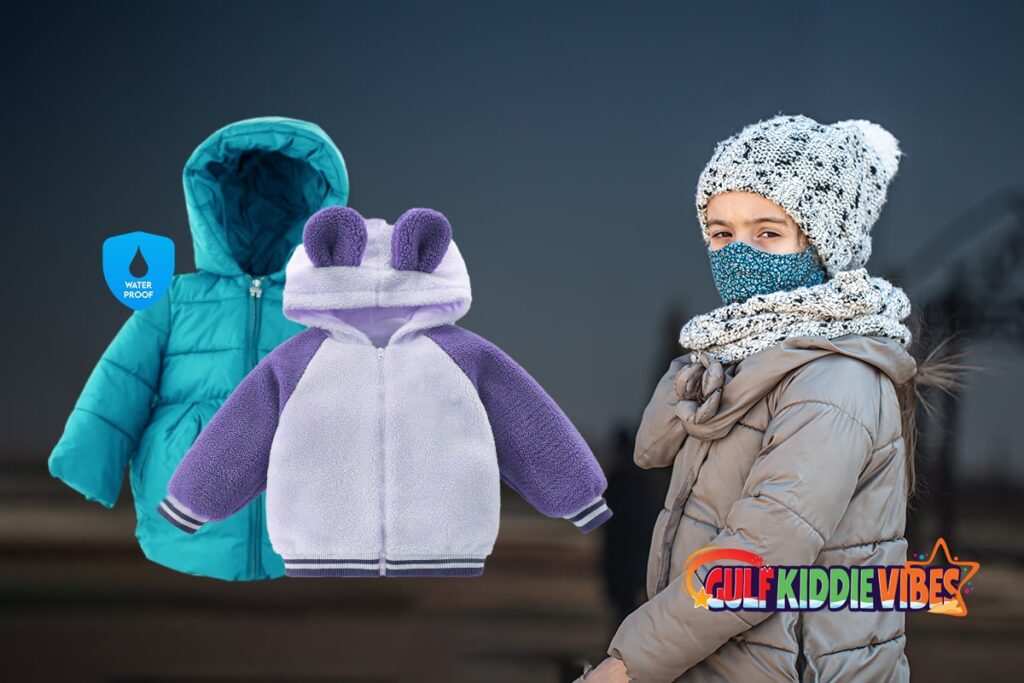
Now you know what type of jacket works best for your kid, but there are some basic features every good winter coat should have. These features make the difference between a coat that keeps your child warm and dry, and one that falls apart after one season. Before you buy anything, check for these six things.
This is the most important thing to check. Waterproof ratings are measured in millimeters (mm), and higher numbers mean better protection.
A 5,000mm rating handles light rain. If you want your kid to actually play in snow and wet conditions without getting soaked, look for at least 10,000mm. Some really good coats go up to 15,000mm or 20,000mm, which means they can handle serious snow and sleet.
Check the tag before you buy because this number tells you whether the coat is actually waterproof or just water-resistant.
I check two things here: the insulation material and the warmth rating. Down and synthetic puffer filling work well for extreme cold. If the coat has a tog rating or fill power listed, that helps you understand exactly how warm it is.
Some coats work fine for mild winters, while others are built for temperatures that drop way below freezing. Match the insulation to where you live and what your child will be doing.
A good hood should cover your child’s head and face without blocking their vision. Look for hoods that are adjustable so they fit properly, and ideally, they should be detachable if you want more flexibility.
For kids who do winter sports, get a hood that works with a helmet. The lining inside the hood protects your child’s face from cold air. Fleece or sherpa lining is better than regular fabric because it’s warmer and softer.
Snow creeping up inside the sleeves is annoying and makes coats ineffective. The best wrist design has lycra cuffs with thumb loops that keep sleeves pulled down and snow completely out. Some coats have elastic cuffs, which work okay but aren’t as reliable.
I always check how the cuffs fit because a good cuff keeps warmth in and moisture out. If the wrist design is poorly made, your kid’s hands and arms will get wet no matter how warm the rest of the coat is.
A powder skirt is a fabric panel that hangs around the waist and tucks into snow pants to prevent snow from coming up from the bottom. Not every coat has one, but if your kid spends time sledding, skiing, or playing in deep snow, it’s worth having.
Some powder skirts are fixed and some are adjustable, which gives you more options. I prefer adjustable ones because they don’t restrict movement as much.
Your child gets hot when running around in a coat. Sweat builds up and they feel cold and wet inside. The coat needs to let that moisture escape. Look for coats with breathability ratings around 8,000mm or higher if your kid is active.
Good construction makes coats last longer. Check the zippers first. YKK zippers are reliable and don’t break easily like cheap ones. Look at the seams too. Sealed seams are stronger and keep cold air out better.
The lining makes a difference. Fleece lining stays warm and lasts long. Silk lining feels nice but wears out faster. For young kids who crawl and play rough, reinforced knees and backside help the coat survive longer.
Care Tips of Your Kids’ Coats
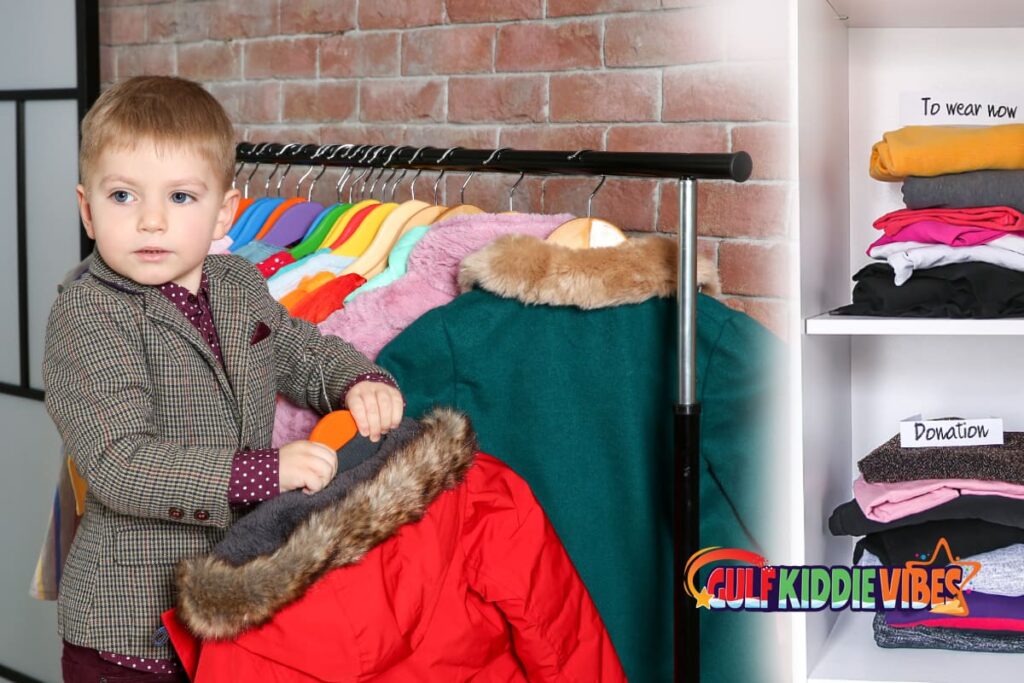
A good winter coat lasts longer when you take care of it properly. I learned this after ruining my daughter’s jacket by washing it wrong. Here are some simple care tips that help your child’s coat last multiple seasons.
Check the label first. Use cold water and gentle cycle for waterproof coats. Hot water ruins the waterproof layer. Use mild detergent, not regular powder, because harsh chemicals damage the fabric. Skip bleach completely.
I hang my child’s coat to air dry instead of using the dryer. High heat can damage the insulation and waterproof layer. Sometimes I put it in the dryer on low heat with wool dryer balls, but honestly, hanging it up is safer and takes longer but works better.
Keep coats in a cool, dry place when not using them. Clean the coat before storing. Use padded hangers instead of wire hangers because wire creates creases.
After a few seasons, I notice the waterproof coating gets weaker. I use a waterproofing spray or wash-in treatment to restore it. It’s cheap and takes five minutes. Doing this once a year keeps the jacket waterproof for longer.
I fix small problems immediately. A small hole or loose seam gets repaired before it becomes a big problem. I use fabric tape for small tears and take bigger damage to a tailor. Fixing things early saves money and extends the jacket’s life.
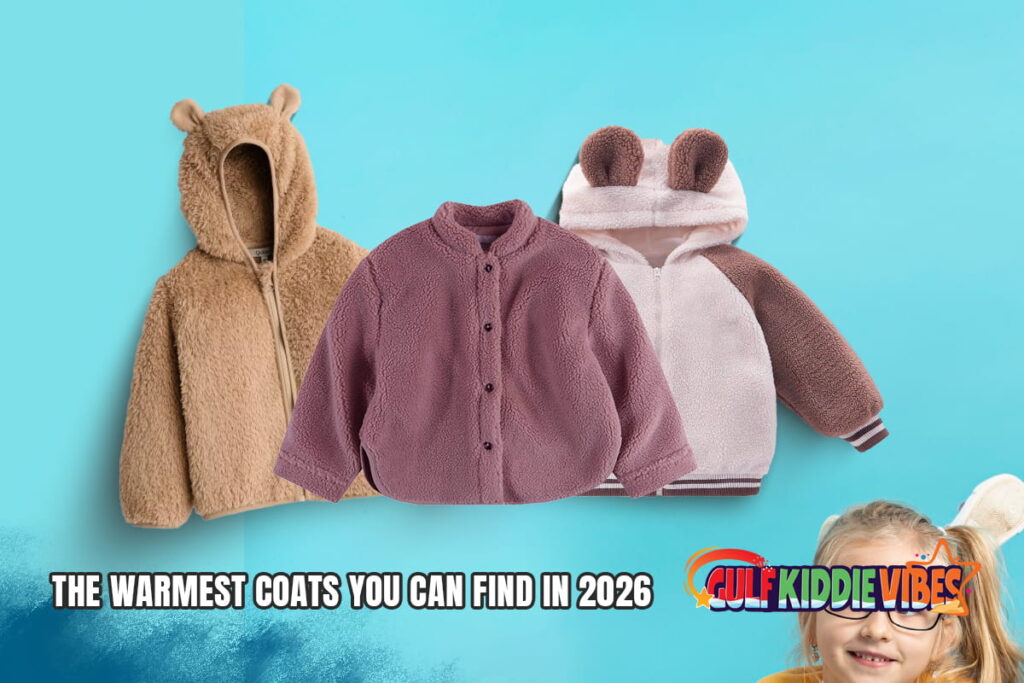
I bought an Akova coat last year and it still looks brand new even after my kids wearing it constantly. The quality is so good that I’m thinking of passing it to my cousin’s child next year. Based on my experience with Akova and after researching other options, here are the coats I trust the most.
Fill power of 650 with waterproof rating up to 20,000mm. Element Coat for everyday wear, Elevated Hardshell for extreme cold. Online only through their website. Ships to Gulf. 170-315 AED.
Where to find:www.akova.com (Official website)
Waterproof rating 10,000mm. Tirro Coat for regular winter, Paimio for extreme cold (-20°F). Available on Amazon UAE, Noon.com, and some Dubai stores. 200-380 AED.
Where to find: Amazon UAE, Noon.com, Reima.com
10,000mm waterproof rating. Mountain Town for sports, Around Town for everyday. Online only, ships to Gulf. 155-195 AED.
Where to find:www.townhallgear.com (Official website)
For the Gulf and light rain, 5,000mm is fine. For regular snow and winter weather, get 10,000mm. For heavy snow or extreme cold, look for 15,000mm or higher.
The coat should fit snugly without being tight. Your child should move their arms freely. The sleeves should reach their wrists. You should fit one finger between the neck and collar. The coat shouldn’t drag on the ground or expose the waist.
One good quality coat works if your child just goes to school. But having two coats is helpful if your child spends a lot of time outside. I recommend a lightweight fleece and an insulated coat to cover different weather conditions.
Wash and dry it correctly. Fix small tears or loose seams immediately. Renew waterproof coating every year. Keep it clean. A good quality coat can last for two or three kids if you take care of it.
Last year we took a trip to the UK and because my two kids had the warmest coats, they didn’t complain about the cold even once. Kids are really sensitive to cold weather and season transitions. A bad coat makes them miserable, but the right coat keeps them happy and cooperative.
Look for a coat with good waterproof rating, proper insulation, sealed seams, and a hood. Don’t just buy based on price or looks. Your child’s age, where you live, and how they’ll use the coat all matter. Pick something they actually want to wear.
Take care of the coat and it lasts for multiple kids. A good quality coat isn’t just an expense, it’s an investment that makes everything easier. Your child stays comfortable, complains less, and actually enjoys being outside. That’s worth it.