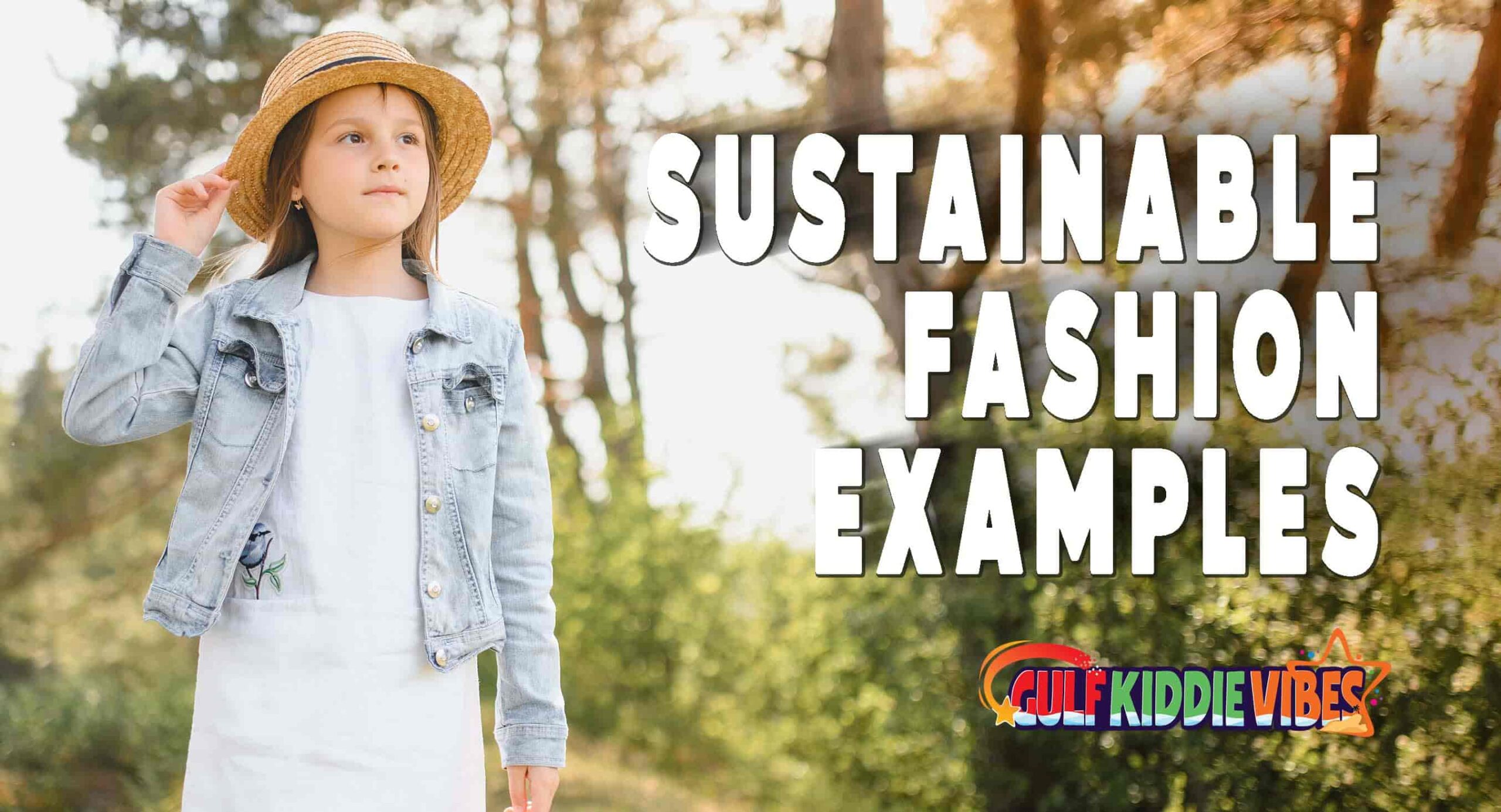
Sustainable fashion in 2026 is no longer just for eco-activists; it is a practical and stylish choice every parent is starting to make. Trends like circular fashion, slow fashion, second-hand clothing, and minimalism are genuinely changing the way families shop for kids. Materials like organic cotton, bamboo, and linen keep kids comfortable while being kind to the planet, and brands like Patagonia, Frugi, and Boden are already proving that safe, long-lasting, and affordable kidswear is absolutely possible.
Five years ago, most parents didn’t think twice before grabbing a cute outfit off the rack. If it looked good and survived a few washes, that was enough. Fast fashion was normal. Cheap was convenient. And no one really asked where the clothes came from or who made them.
Today, parents are reading labels, researching brands, and choosing clothes that last, feel safe on their kids’ skin, and don’t leave a trail of damage behind. They are discovering that sustainable fashion examples aren’t just for eco-activists in Europe; they are practical, stylish, and increasingly available everywhere.
This blog will give you a clear idea about the real sustainable fashion examples making a difference in 2026, the trends reshaping the industry, the best materials for hot climates, and everything you need to make smarter choices for your kids without the overwhelm.
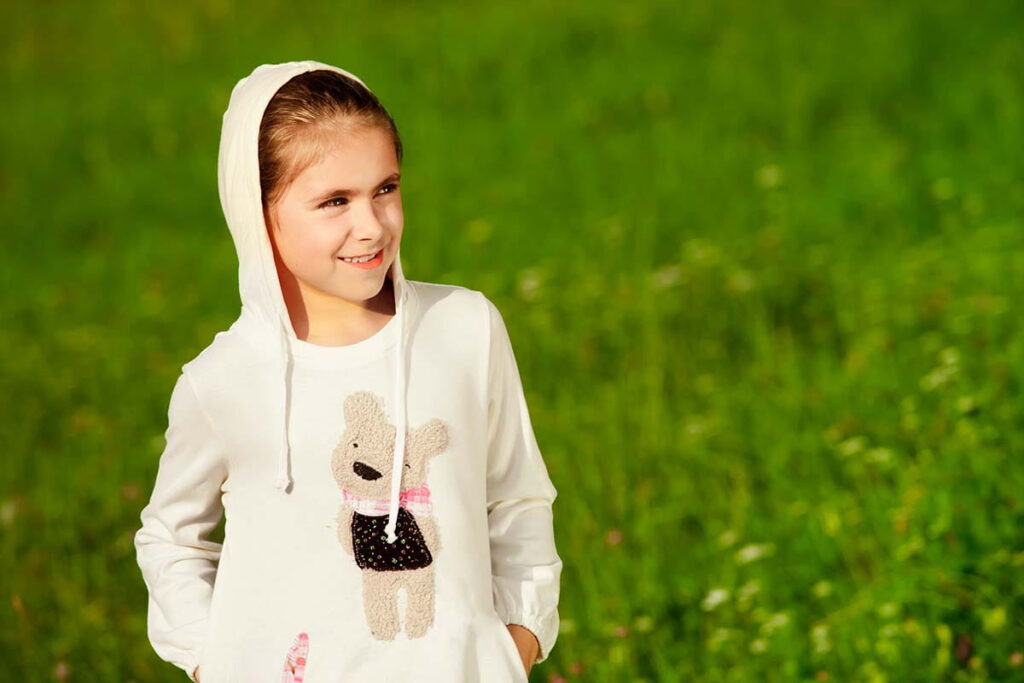
Sustainable fashion is simply about making clothes in a way that doesn’t harm the planet or the people making them. It means using materials that are safe, production methods that don’t waste water or pollute the air, and creating pieces that are built to last, not fall apart after a season.
The opposite of sustainable fashion is fast fashion. Fast fashion is about making as many cheap clothes as possible, as quickly as possible. The prices look great at checkout, but the real cost is paid elsewhere by factory workers earning unfair wages, by rivers polluted with chemical dyes, and by landfills piling up with clothes nobody wants anymore.
Sustainable fashion flips that model. It slows things down. It asks better questions. Who made this? What is it made from? Will it last? And the good news is that in 2026, choosing sustainable clothes doesn’t mean choosing too pricey, boring outfits. The options are better than ever.
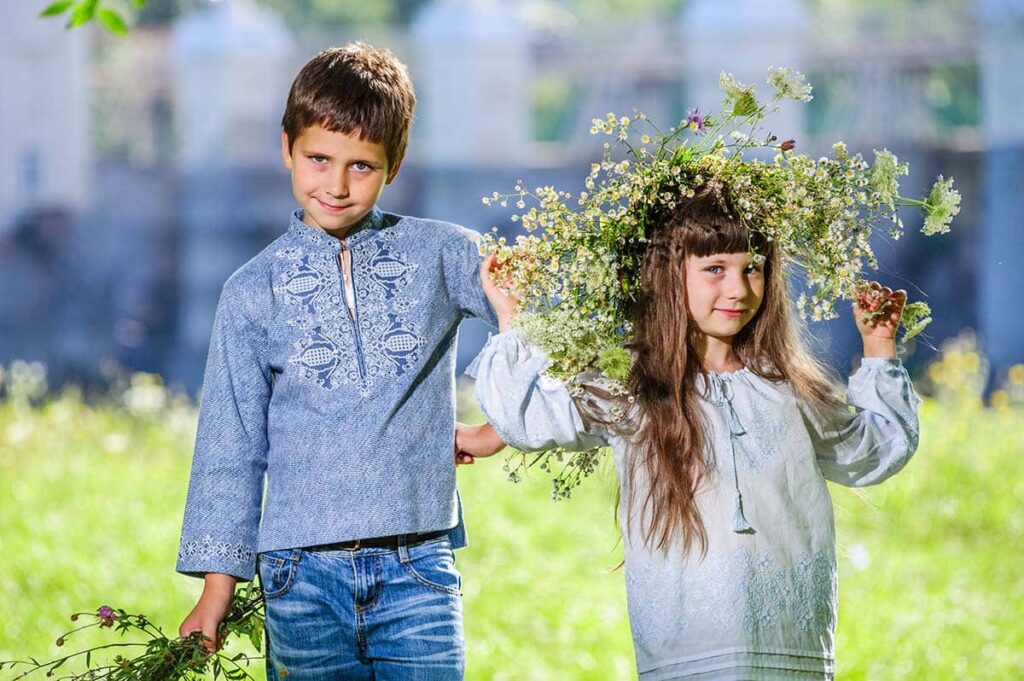
The fashion world is changing, and honestly, it’s about time.
If you’ve been paying attention, you’ve probably noticed that more and more parents are done with clothes that look great in the store and fall apart by the third wash. That frustration is actually driving some really exciting shifts in the industry.
You’ve probably heard of circular fashion by now. The idea is simple. Instead of buying, using, and throwing away clothes, clothes are designed to keep going. They get recycled, repaired, passed down, or remade into something new. MUD Jeans already puts 40% recycled denim into every pair they make. That’s the direction things are heading.
Slow fashion is not a complicated concept. It just means slowing down before you buy. Instead of filling a cart with ten cheap pieces that look fine today and fall apart next month, you pick two or three things that are actually well-made and worth wearing again and again. A pair of well-stitched organic cotton trousers your kid wears twice a week for two years? That’s slow fashion. A bag of five cheap tops that fade after three washes and end up in the bin? That’s everything slow fashion is pushing back against. It genuinely changes the way you shop once you start paying attention to it.
This one genuinely surprises most people when they first hear about it. Some brands today only make a piece of clothing after you’ve actually placed an order. No guessing how many units will sell, no factories running overtime to fill warehouses, no unsold stock sitting around before eventually getting destroyed. It sounds like a small detail, but the impact is real. The fashion industry wastes an enormous amount just from overproduction alone, and on-demand production cuts that problem straight at the root.
Second-hand kids’ clothing has completely changed its reputation, and honestly, it deserves to. Not too long ago, buying preloved felt like a last resort. Now parents are actively seeking it out because it just makes sense. Kids grow so fast that a coat bought in October might not fit by February. Finding a well-made kids’ piece in great condition and buying it secondhand is not just a smart financial decision; it’s a good environmental one, too.
Not the Instagram kind, where everything is perfectly arranged and beige. The real kind, which is just about owning fewer things that you actually use. How many times have you bought something cute that got worn twice and then forgotten at the back of the wardrobe? Minimalism in fashion is about breaking that cycle. Choosing pieces deliberately and making sure they actually get worn, not just bought.
Ethical supply chains, natural dyes, and craftsmanship round things out. Knowing who made your child’s clothes, avoiding toxic dyes that irritate sensitive skin, and choosing pieces stitched with actual care are not luxury concerns anymore. They’re just good parenting.
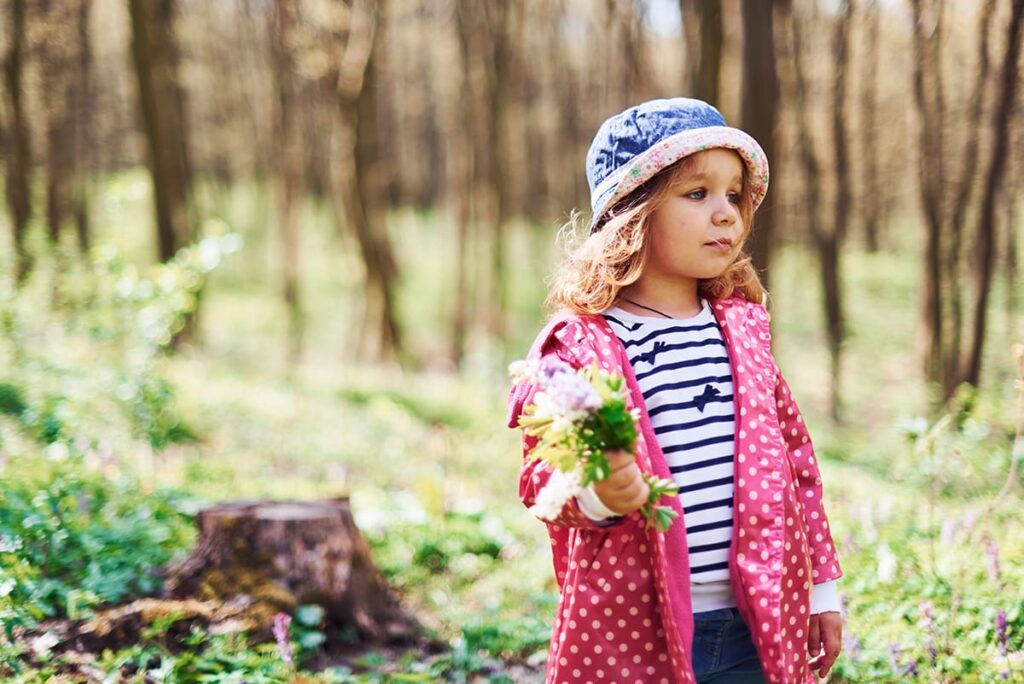
Not all fabrics are created equal. Some keep kids cool and comfortable while being kind to the planet. Others look fine on the rack but cause irritation, trap heat, and fall apart fast. Here are the materials actually worth paying attention to.
You already know cotton. But organic cotton is the version grown without harmful pesticides or chemicals. It’s softer, gentler on sensitive skin, and breathes really well. For kids who are active all day, that matters more than you’d think.
Yes, the same plant pandas eat. Bamboo grows incredibly fast, sometimes 35 inches in a single day, and turns into one of the softest fabrics around. It naturally fights bacteria too, which means less odor even after a full day of running around.
Linen is basically nature’s air conditioning. Made from the flax plant, it’s loosely woven so air moves through it easily. It wrinkles, sure, but it keeps kids noticeably cooler in hot weather and gets softer with every wash.
Hemp is one of those materials that does everything right. It grows without pesticides, uses very little water, and produces a fabric that is strong, breathable, and surprisingly soft. It’s been around for centuries for good reason.
Lyocell is made from wood pulp and is completely biodegradable. It’s smooth, gentle on the skin, and the production process recycles almost all the water used. It’s one of the most responsible fabrics available right now.
Some brands take old plastic bottles and turn them into fabric. When blended with natural fibers, recycled materials are durable, comfortable, and keep waste out of landfills. It sounds like science fiction, but it’s very much happening right now.
This one is especially worth knowing if your kids spend time outdoors. Tightly woven fabrics made from cotton, hemp, or bamboo can actually block harmful UV rays. Think of it as a built-in sunscreen that never needs reapplying.
Every brand claims to be green these days. Recyclable packaging here, a nature photo there, and suddenly everyone is saving the planet. But how do you actually know who is telling the truth? Here’s what to look for.
This is one of the most trustworthy certifications out there. It means the organic fibers are real and verified, and that workers were treated fairly throughout the entire production process. If you see this on a label, you’re already in good hands.
Right alongside GOTS, look for OEKO-TEX. This one tells you the fabric has been tested and confirmed free from harmful chemicals. For parents dressing young kids with sensitive skin, that’s not a small thing at all.
Fair Trade certification means the people who made those clothes were paid fairly and worked in safe conditions. It’s easy to overlook, but it matters. Every piece of clothing was made by someone, and they deserve to be treated well.
Brands that genuinely care are open about how their clothes are made. Some even put QR codes on their garments that link directly to information about the factory, the workers, and the entire production process. If a brand is secretive about any part of this, that’s already worth noticing.
Making clothes requires a huge amount of water. One cotton t-shirt alone can use up to 700 gallons. Brands doing the right thing will tell you exactly what steps they take to reduce this, whether that’s reusing water in factories or choosing dyes that don’t pollute waterways.
Pay attention to how brands talk about their environmental impact. Are they using renewable energy? Are they making smarter shipping choices? The ones who are will talk about it openly because they’re genuinely proud of it.
Vague words like “conscious” or “eco-friendly” have nothing to back them up. No information about where clothes are made. Prices are so low you wonder how anyone in the supply chain was paid fairly. If a brand can’t answer basic questions about its process, it’s usually because the answers aren’t good ones.
Talking about sustainable fashion is one thing. Seeing it in action is another. These five brands are actually doing the work, and each one in a completely different way.
MUD Jeans is probably one of the most interesting sustainable fashion examples out there because of one simple idea — you don’t buy the jeans, you lease them. Once you’re done, you send them back, and MUD Jeans recycles them into new ones. They already use 40% post-consumer recycled denim in every pair and are working toward 100%. It’s a circular fashion working in real life, not just on paper.
Patagonia has been doing this longer than most brands even knew sustainability was a conversation worth having. What makes them stand out is their repair program. Instead of encouraging you to buy new, they actively help you fix what you already own. They even ran a famous ad that said “Don’t Buy This Jacket.” For a clothing brand that takes a certain kind of confidence in what you believe.
Kokikar takes a quieter, more intentional approach. Their focus is on natural dyeing using plant-based and botanical dyes that are completely free from toxic chemicals. For parents worried about what’s sitting against their child’s skin all day, this is exactly the kind of brand worth paying attention to. Every piece feels considered, not mass-produced.
Frugi is built specifically with kids in mind. Their clothes are made from GOTS-certified organic cotton and designed with growing children in mind, think adjustable waistbands, roomy cuts, and styles that survive both the playground and the washing machine. They also use packaging made from recycled materials and are transparent about every step of their supply chain.
Boden approaches sustainability through longevity. Their designs are intentionally classic and well-constructed, so parents aren’t replacing pieces every few months. They’ve been steadily increasing their use of organic and recycled materials and publish regular updates on their sustainability progress. The idea is simple: clothes that stay in your child’s wardrobe for years are always more sustainable than ones that don’t.
Yes. A $40 organic cotton dress that lasts two years and gets passed down to a younger sibling costs you far less in the long run than a $12 one you replace every few months. The math works out; you just have to think a little longer term.
Organic cotton, linen, and bamboo can be your best options. They breathe well, don’t trap heat against the skin, and stay comfortable even on the hottest days. Avoid synthetic fabrics like polyester because they hold heat and moisture in all the wrong ways.
Look for actual certifications like GOTS and OEKO-TEX, not just pretty words on a website. Real brands tell you exactly where their clothes are made and who makes them. If that information is nowhere to be found, move on.
Yes, that’s actually one of their strongest points. Quality sustainable pieces are made to last through regular washing. Wash in cool water and air dry when you can, and they’ll hold up far better than cheaper alternatives.
Honestly, one of the best. Kids outgrow clothes before they wear them out, so second-hand pieces are usually in great condition. It keeps good clothes out of landfills and saves you money at the same time.
Sustainable fashion is not a passing trend, and it’s not just for people with extra money to spend. It’s a good, reliable decision that saves you money over time, keeps harmful chemicals away from your child’s skin, and puts better values behind every purchase you make.
A good organic cotton dress that lasts two years and gets passed down to younger siblings will always cost you less in the long run than a cheap one you keep replacing. The price tag is higher upfront, but when you actually sit down and do the math, it almost never works out to be the more expensive choice. The world your children are growing up in needs better choices right now, not eventually. Every time you pick a brand that’s transparent, uses safer materials, and treats its workers fairly, you’re part of something that matters. These sustainable fashion examples show that doing the right thing doesn’t mean giving up style, comfort, or practicality. It just means asking slightly better questions before you buy.