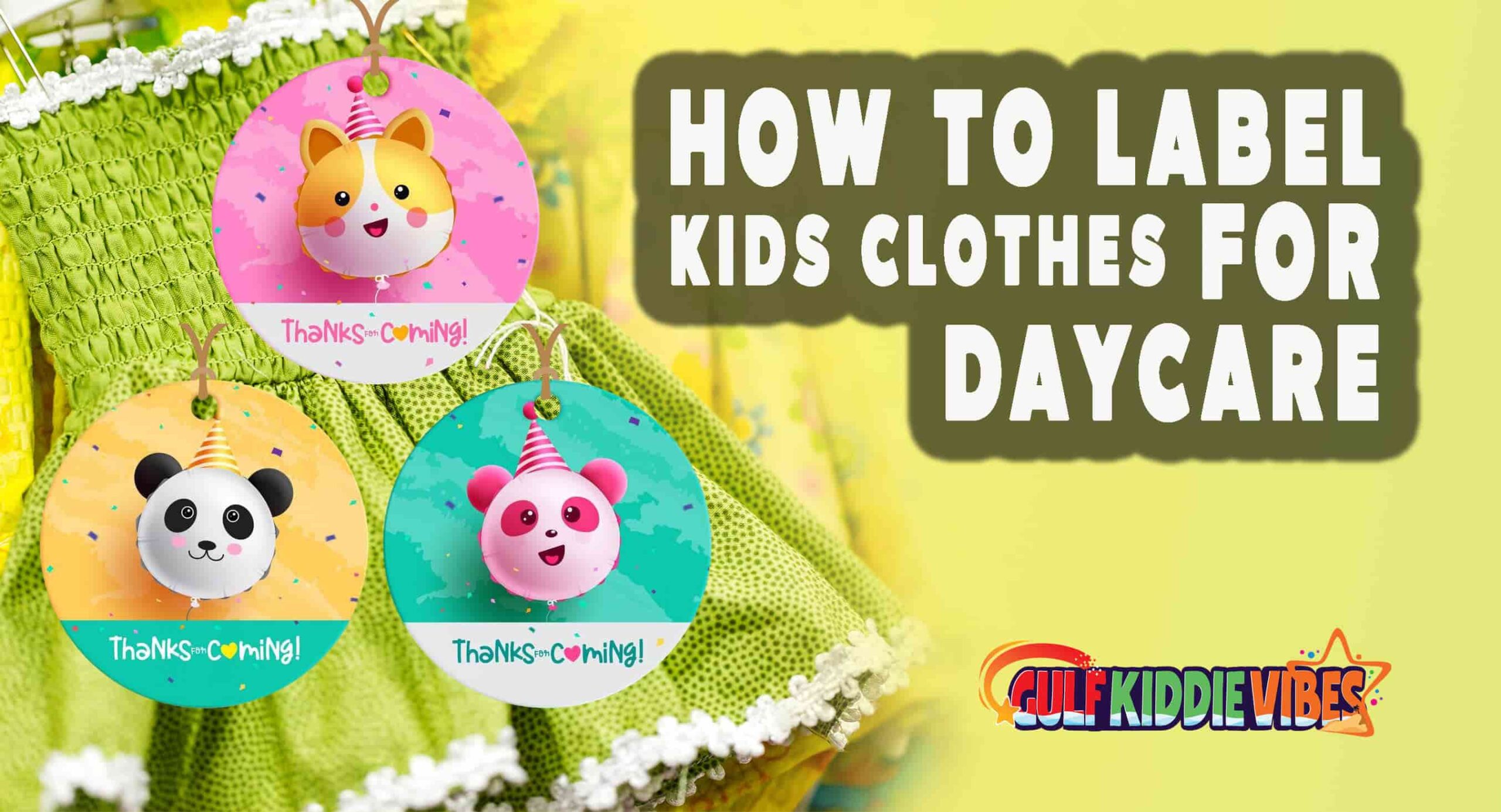
Learning how to label kids’ clothes for daycare prevents lost items and saves money. Iron-on labels work best in Gulf heat, while waterproof stick-on labels suit bottles and hard items. Always place names inside clothing for safety, never on the outside. Avoid fabric markers as they fade quickly in hot weather.
When we came home from the hospital with my newborn, I was surprised to see our living room full of gifts. There were pacifiers, feeding bottles, burp cloths, bibs, swaddle blankets, a bouncer, a Moses basket, a baby monitor, and even a nasal aspirator (yes, someone really went there!). It felt nice to have so much support, and I thought I was ready for everything.
A few months later, when daycare started, things began disappearing. A favourite feeding bottle here. A soft muslin cloth there. That one pacifier my baby absolutely refused to sleep without. I would pack a full bag in the morning and somehow come home with half of it missing. When your little one starts nursery or daycare, their stuff mingles with dozens of other tiny humans’ stuff. Without a name on it, anything can walk out in someone else’s bag without anyone even realising it.
The simple fix is labelling. This blog will cover everything you need to know about how to label kids’ clothes for daycare, the best methods to use, where to place them, and some tips that are specific to living in the Gulf region.
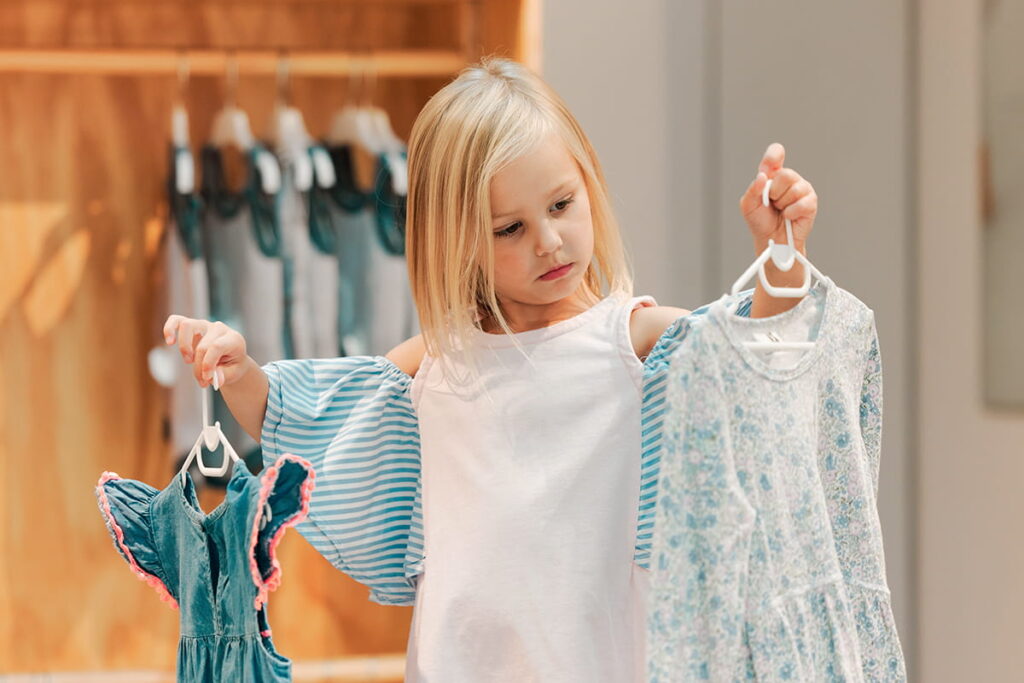
Labelling might feel like one more thing on your already long to-do list, but trust me, it saves you so much stress later.
Here are some real reasons why it is worth those extra few minutes:
This was the biggest one for me. Once I started labelling, the missing bottle lids and disappearing socks reduced so much. When a child’s name is clearly on an item, teachers can easily return it to the right bag at the end of the day.
Kids’ clothes, shoes, and gear are not cheap, especially good quality ones. Losing them to the lost property box every other week adds up quickly. A small label protects that investment.
Nursery teachers are managing many children at once. A name on a jacket or lunchbox means they do not have to guess who it belongs to. It genuinely helps them, and they appreciate it more than you think.
Seeing their own name on their things helps little ones start to recognise and take responsibility for their belongings. It is a small thing, but it does make a difference as they grow older.
In a room full of toddlers wearing similar white t-shirts or the same school uniform, labels are the only way to tell things apart. It avoids those awkward moments of sending home the wrong child’s clothes.
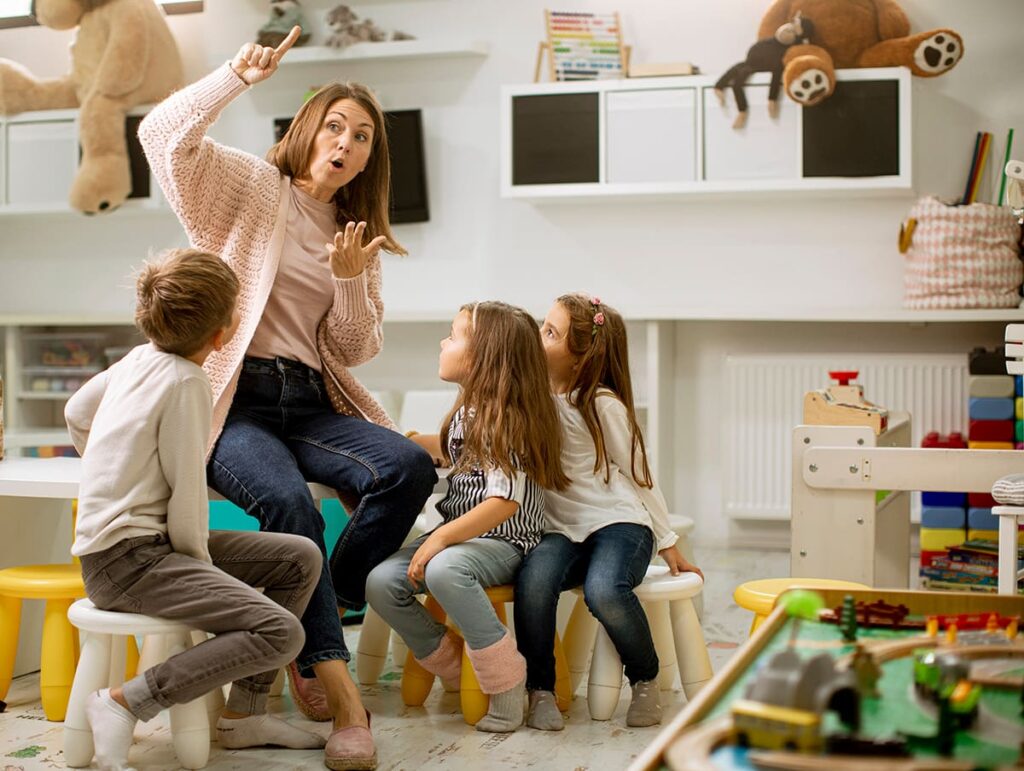
When you’re filling out all those daycare forms and attending the orientation, they usually hand you a list of expectations. Some make total sense right away, others you only understand once you’re actually doing the daycare routine.
Most nurseries are pretty strict about this one. They want names on clothes, bottles, shoes, nappies, and even that random toy your toddler insists on bringing. It’s not them being fussy; it’s because they’re managing 15-20 kids in one room, and things get mixed up constantly.
You need extra clothes, nappies, wipes, bottles if they’re still on formula, and snacks if the nursery doesn’t provide meals. In summer here, some daycares ask for an extra set of clothes because kids get sweaty during outdoor play. Run out of supplies mid-day, and the nursery staff has to call you or improvise, which nobody wants.
Most nurseries use apps now- KidsConnect, Kinderlime, ClassDojo- where they update you throughout the day. They expect you to actually check these and respond when needed. If your child’s running a fever or had a rough night, let them know in the morning. It helps them understand why your usually cheerful toddler is cranky.
Nurseries here are quite particular about timing. Late pick-ups can mean extra charges, and honestly, the staff have their own families to get home to. Being consistently late also unsettles your child when they see all their friends leaving.
This matters more in the Gulf than you’d think. Clothes should be easy for kids to move in, especially during outdoor time when temperatures allow it. Avoid complicated buttons or overalls that make toilet training harder for the staff. Some nurseries ask that shoulders and knees stay covered, even for toddlers, depending on their policies.
Daycares are germ factories as it is. If your child has a fever, a bad cough, or anything contagious, keep them home. Most nurseries have a 24-48 hour fever-free rule before kids can return. I know it messes up your work schedule, but sending a sick kid just means everyone else catches it too.
Whether it’s National Day celebrations, Eid parties, or Sports Day, nurseries appreciate parents who show up. You don’t have to volunteer for everything, but being involved helps your child feel more connected and excited about their daycare experience.
The thing is, these expectations aren’t about making your life harder. They’re about creating a smooth routine that works for everyone- the teachers, the other parents, and most importantly, your little one.
After losing my third favourite baby bottle to the daycare abyss, I finally sat down and researched every labelling method out there. I’ve tried most of these myself, and honestly, some work way better than others, especially in the Gulf heat and humidity.
These are fabric labels that you stick onto clothes and seal with a hot iron. They look professional and last through tons of washes.
Pros: They stay put really well, look neat and tidy, and work on almost any fabric. You can get them custom printed with your child’s name and even cute little designs. Once they’re on properly, they don’t peel off easily.
Cons: You need an iron (and let’s be honest, who has time for ironing with a toddler running around? They also don’t stick well to certain synthetic fabrics or anything waterproof. In my experience, if you don’t press them perfectly, the edges start lifting after a few washes.
This is basically a custom stamp with your child’s name that you press onto fabric using special ink.
Pros: Super quick once you have the stamp. Just press and done. Works on most fabrics, and the ink is usually permanent. You can label a whole week’s worth of clothes in about ten minutes.
Cons: The stamp and ink aren’t cheap upfront. If you mess up, you can’t really fix it; that stamped name is there forever, even if it’s smudged or in the wrong spot. I ruined one of my daughter’s favourite shirts by accidentally stamping it crooked.
Also, the ink can fade over time, especially with those harsh detergents we sometimes need here to get stains out.
Simple permanent markers designed specifically for fabric. You just write directly on the clothing tag or fabric.
Pros: Cheapest option by far. You probably already have a Sharpie at home. No equipment needed, and you can label things instantly. Perfect for last-minute nursery starts when you realise at 10 PM that everything needs names on it.
Cons: They fade, Badly. After multiple washes in hot water (which happens a lot here when you’re dealing with playground sand and spilt juice), the writing gets lighter and lighter. Your hand writing might be messy too; mine definitely is. Plus, if you write on certain fabrics, the marker bleeds and looks sloppy.
This is honestly my least favorite method. I used it when I first started because it seemed easy, but I ended up re-labelling everything within two months. The fading drove me crazy, and half the time the nursery staff couldn’t even read the faded names anymore.
These are adhesive labels that you peel and stick onto clothes tags, bottles, or lunch boxes.
Pros: No heat, no equipment, no mess. Peel, stick, done. They’re perfect for hard items like bottles, shoes, and lunch containers. You can get waterproof ones that survive the dishwasher, too. Some are really cute with little designs that kids love.
Cons: On fabric, they don’t last as long as other methods. The Gulf heat can make the adhesive weak. I’ve had labels peel off in my car during the summer when temperatures hit 50°C. They work best on hard surfaces, not so much on actual clothing. The edges can catch and peel during washing.
Traditional fabric labels that you sew directly into the clothing.
Pros: If sewn properly, these last forever. They won’t fade, peel, or wash out. My mum still has some of my childhood clothes with these labels intact. They look the most professional and are very durable.
Cons: You need basic sewing skills. Even hand-sewing them takes time like, actual sitting-down-and-focusing time that most parents don’t have. If the stitching is rough, it can irritate sensitive skin.
I tried this method once and gave up after the third label because who has time to sew 20 labels on school uniforms?
Little tags that clip or tie onto clothes, bags, or shoes without permanently attaching.
Pros: Easy to attach and remove. Great for bags, jackets, and shoes. If you have multiple kids, you can reuse them. They often come in bright colours that are easy to spot.
Cons: Kids can pull them off. Seriously, give a toddler a dangling tag, and it becomes a toy. They’re also a choking hazard for younger kids who put everything in their mouths. I only use these on my daughter’s backpack now, nowhere else.
Electronic devices that print out adhesive labels with your child’s name.
Pros: Super professional looking. You can print multiple labels quickly, and they’re easy to read. Works great for organising everything; not just clothes but also toy bins, cubby boxes, and storage containers at home.
Cons: The machine itself costs money, and you need to keep buying label refills. The adhesive labels have the same heat problem as stick-on labels in Gulf weather. They work better for hard surfaces than fabric. It feels like overkill if you’re only labelling nursery stuff.
After trying everything, I’ve landed on using iron-on labels for clothes and waterproof stick-on labels for bottles and hard items. Yes, the iron-on ones take a bit more effort upfront, but they genuinely last. I labelled my son’s school uniforms two years ago, and they’re still perfectly readable.
For parents who absolutely hate ironing (I get it), name stamps are your second-best option. The initial investment hurts, but they’re so convenient for bulk labelling.
Stay away from regular fabric markers unless it’s truly an emergency. They’re just not worth the constant re-labelling hassle.
Never put your child’s full name on the outside of clothes or bags. Label inside tags, collars, or waistbands instead, so strangers can’t use their name.
Avoid clip-on tags and safety pins for young kids as they’re choking hazards. Check labels don’t irritate sensitive skin. Using just a first name or initials works fine and keeps some privacy in shared daycare spaces.
In most summer-based countries, any label can melt down first before it even serves its purpose. The Gulf heat is no joke when it comes to keeping labels intact.
Go waterproof. Regular adhesive labels peel off in the humidity and after multiple washes. Waterproof stick-on labels or iron-on fabric labels survive much better here.
Never leave labelled items in hot cars. The adhesive literally melts. I’ve had labels slide right off water bottles after leaving them in my car for an hour during the summer.
Iron-on labels work best. They handle the heat and washing better than any other method. Just press them on firmly for 15-20 seconds.
Test before buying in bulk. Wash one label in hot water, then leave it in your car on a summer afternoon. If it survives both, it’ll work here.
Many nurseries have staff who speak Arabic, English, or both. Having your child’s name in both languages helps everyone identify their belongings quickly.
You can write the name in English on one side of the tag and Arabic on the other using a permanent marker. Some UAE or other countries’ label companies also offer bilingual printing if you search online.
Use iron-on labels, name stamps, or waterproof stick-on labels on clothing tags. Write your child’s name on the inside collar or waistband, not on the outside. For bottles and lunch boxes, waterproof adhesive labels work best. Avoid fabric markers as they fade quickly after washing.
Waterproof stick-on labels are the most effective for baby bottles. Place them on the bottle body, not the lid, since lids get lost easily. Make sure the labels are dishwasher-safe and can handle high temperatures. Write your child’s first name clearly so staff can identify bottles quickly during feeding times.
No, only use your child’s first name or initials on the outside of clothes and bags for safety reasons. Strangers should not be able to approach your child using their name. Put full names on the inside tags where only teachers and caregivers can see them.
Iron-on labels and high-quality waterproof stick-on labels survive best in hot climates. Regular paper labels and fabric marker writing fade quickly with frequent hot water washing.
Labelling is not just about clothes. Your child’s water bottle, lunch box, shoes, pencil case, favourite toys, spare nappies, and even their blanket all need clear names on them. Anything that goes to daycare can get mixed up or lost, so label everything you send. It takes a bit of time upfront, but it saves you from constantly replacing lost items and dealing with the frustration of things disappearing.
Choose a labelling method that actually survives the Gulf heat and your daily routine. Iron-on labels for clothes, waterproof stickers for bottles and hard items, and always put names on the inside for safety. A little effort now means less stress later, and your child’s belongings actually make it back home where they belong.