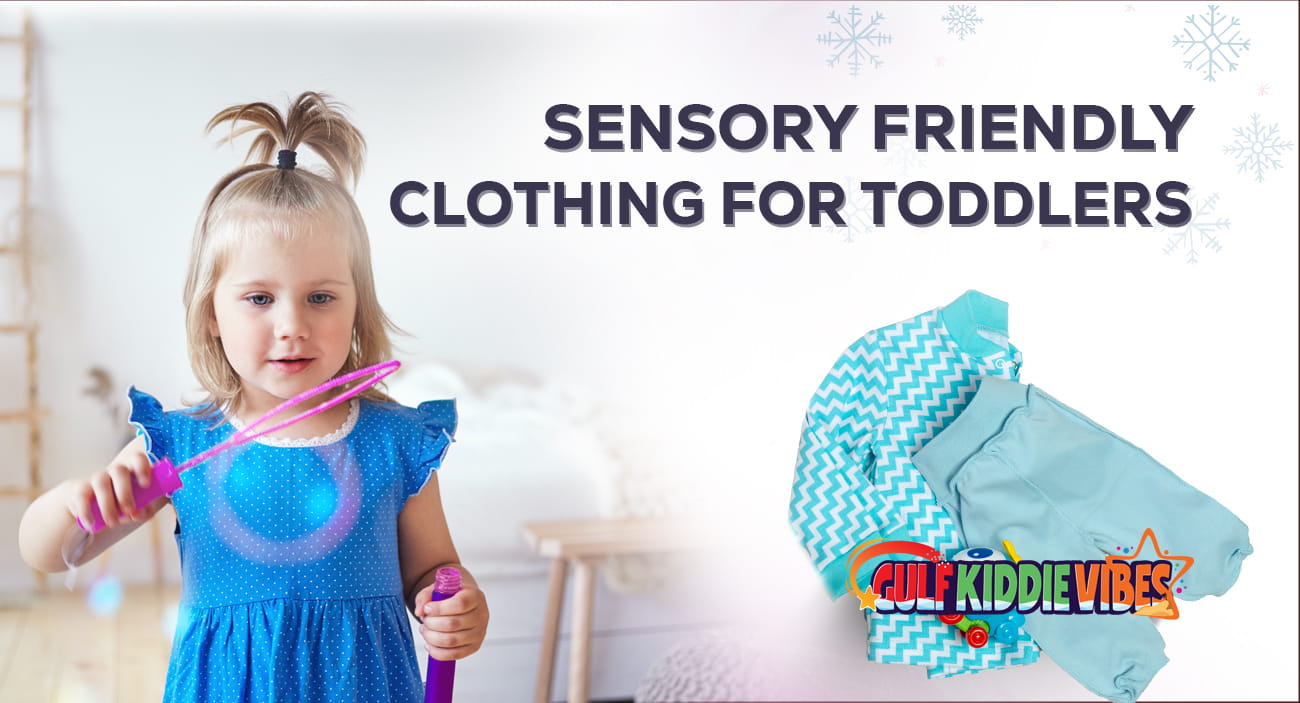
If your toddler constantly pulls at tags, refuses to wear certain clothes, or has red marks and scratching on their skin, sensory-friendly clothing for toddlers might be the answer. Watch for meltdowns during dressing, limited wardrobe choices, and complaints about how fabrics feel. Brands like Primary, Kozie Clothes, Cat & Jack at Target, Lucky and Me, and Sensory Smart Clothing are making sensory friendly clothing for toddlers that actually works. They skip the irritating tags, rough seams, and tight waistbands that bother sensitive kids.
For most parents, buying clothes for toddlers is simple. You pick something of good quality and move on. But if your child has sensory sensitivities, clothing becomes a daily struggle. That tag bothers them. The seam irritates them. The fit is too tight or too loose or feels wrong in ways you can’t quite understand.
Kids with sensory sensitivities experience clothes very differently. Regular clothing that works fine for other children causes constant discomfort for them. Finding sensory friendly clothing for toddlers in the Gulf can be especially challenging since options have been limited. But now many brands are creating clothing specifically designed for sensitive kids.
This guide shows you the best sensory-friendly clothing options available for toddlers including tops, bottoms, and shoes so you can find pieces that actually work for your child.
Your child might be pickier about clothes than other kids. Maybe they’re always complaining about how clothes feel. They refuse to wear certain things or melt down when it’s time to get dressed. If this sounds like your mornings, sensory friendly options might help. Here’s what to look for.
Watch for repeated behaviors when your child wears clothes. They constantly tug at tags or try to pull them off. They’re always adjusting their shirt, pulling at the waistband, or shifting things around. Maybe they refuse certain clothes and will only wear the same two or three outfits. Getting them dressed is a fight every single day. These are all signs that regular clothing just isn’t comfortable for them.
You can usually see the discomfort on their skin. Look at areas where tags sit, especially the neck and back. You might see scratching, redness, or marks from seams. Some kids develop rashes where the waistband or seams rub. Their skin reacts more than you’d expect from regular clothes. These physical signs show that something about the fabric or fit is bothering them.
The emotional impact of uncomfortable clothing is real. Getting dressed turns into a meltdown. Your child cries, screams, or becomes extremely upset during the dressing process. They might have anxiety about wearing certain clothes or become distressed when you try to put anything on them. The discomfort is genuinely overwhelming.
If you’re noticing these things happen a lot, try sensory friendly clothes. Especially if mornings are a constant battle, your kid refuses most of their wardrobe, or their skin shows marks from clothes rubbing. You don’t even need a diagnosis to make the switch.. A lot of parents find that clothes without tags, with flat seams, and softer fabrics make a huge difference right away. Their child cooperates better and is actually comfortable.
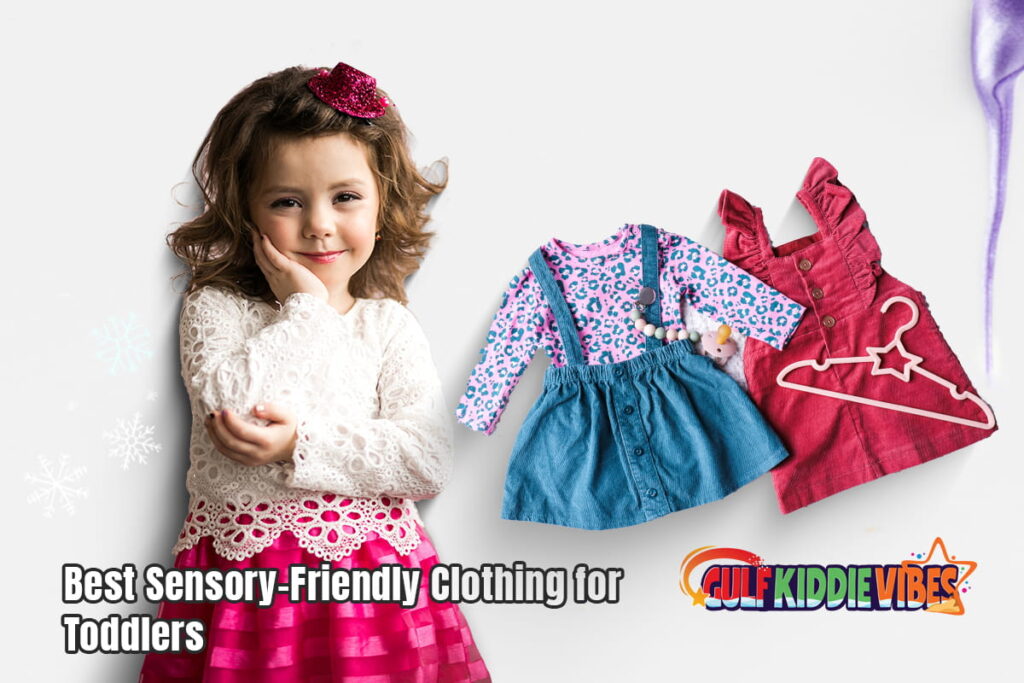
During a shopping day, I noticed several sensory friendly top options that stood out. These kinds of tops will not have irritating tags, rough seams, or tight collars that dig into the neck. Instead, they’re designed with soft fabrics that feel smooth against sensitive skin and fits that give freedom of movement without being too loose.
Primary makes simple, no-fuss clothing. Their Tagless T-Shirts have absolutely no tags, which is the main irritant for many kids. The fabric is soft organic cotton that doesn’t feel scratchy. The collar is comfortable and not too tight around the neck. These shirts are affordable and come in basic colors. Easy to find online and ship to the Gulf.
Kozie Clothes makes clothing specifically for sensory sensitive kids. Their Compression Shirts have soft, stretchy fabric that feels gentle. No tags and flat seams mean nothing irritates the skin. The fabric is smooth and doesn’t have that rough texture. These cost more than regular shirts but many parents say it’s worth it because their child actually wears them without complaint.
Cat & Jack’s Adaptive line at Target is designed for kids with sensory needs. These tops have no tags and soft fabric throughout. They’re affordable compared to specialty sensory brands but still meet sensory standards. You can check them at Target stores or online, which helps if you want to feel the fabric first. The fit is consistent and quality is good for the price.
Lucky and Me specializes in sensory friendly clothing. Their Seamless Undershirts have no seams, no tags, and no labels at all. The fabric is ultra soft and smooth. Because there are no seams, there’s nothing rubbing against the skin. These work great as base layers or standalone shirts. They’re simple, minimal, and made to last through many washes.
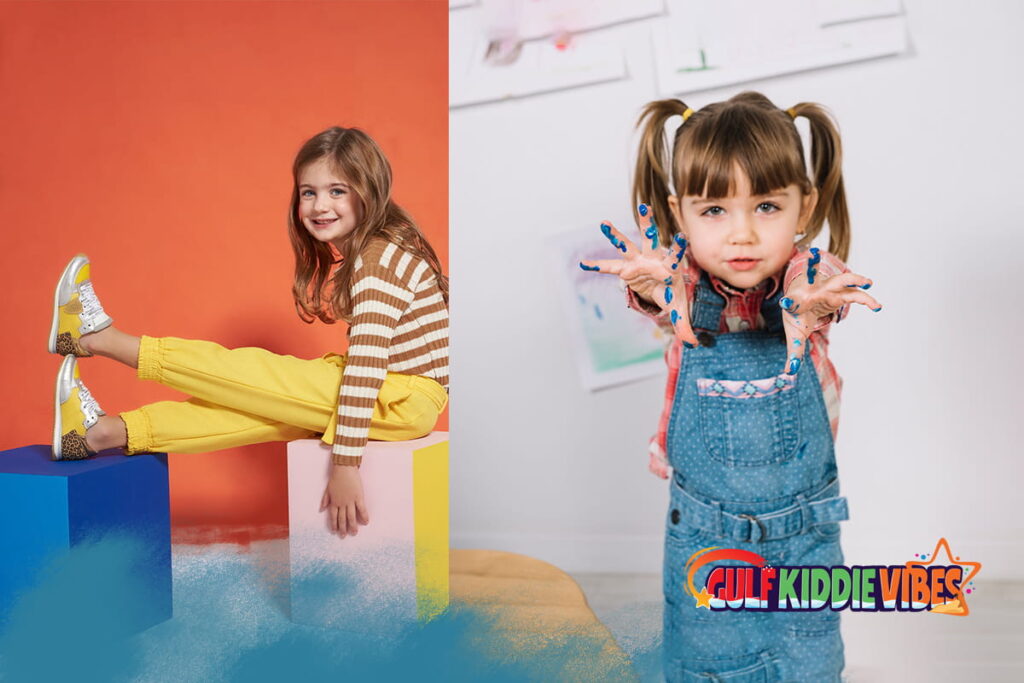
The main challenge with bottoms is the waistband. It needs to be loose enough to not dig in but snug enough to keep the pants up. Good sensory friendly bottoms have soft waistbands, breathable fabric, and either seamless or flat seams that don’t irritate the skin.
Kozie’s Compression Leggings have a soft waistband that doesn’t dig in. The fabric is smooth and breathable. The compression provides gentle pressure that helps some kids feel calm and organized. They hold their shape well without getting baggy.
Primary’s Soft Leggings are made from organic cotton that’s smooth and comfortable. The waistband stretches with movement. They’re simple and affordable, available in multiple colors so you can have several pairs.
Cat & Jack’s Sweatpants are thicker and softer with a comfortable elastic waistband. Perfect for kids who prefer warmth and structure. Easy to find at Target and budget friendly.
Lucky and Me’s Seamless Leggings have no seams down the legs, eliminating irritation. The soft waistband doesn’t compress. The fabric is stretchy and breathable with a snug but comfortable fit.
Sensory Smart uses rayon blend fabric that feels silky and smooth. The waistband is soft and the flat seams sit flat against the skin. The fabric breathes well and feels cool, which is great for warm climates like the Gulf.
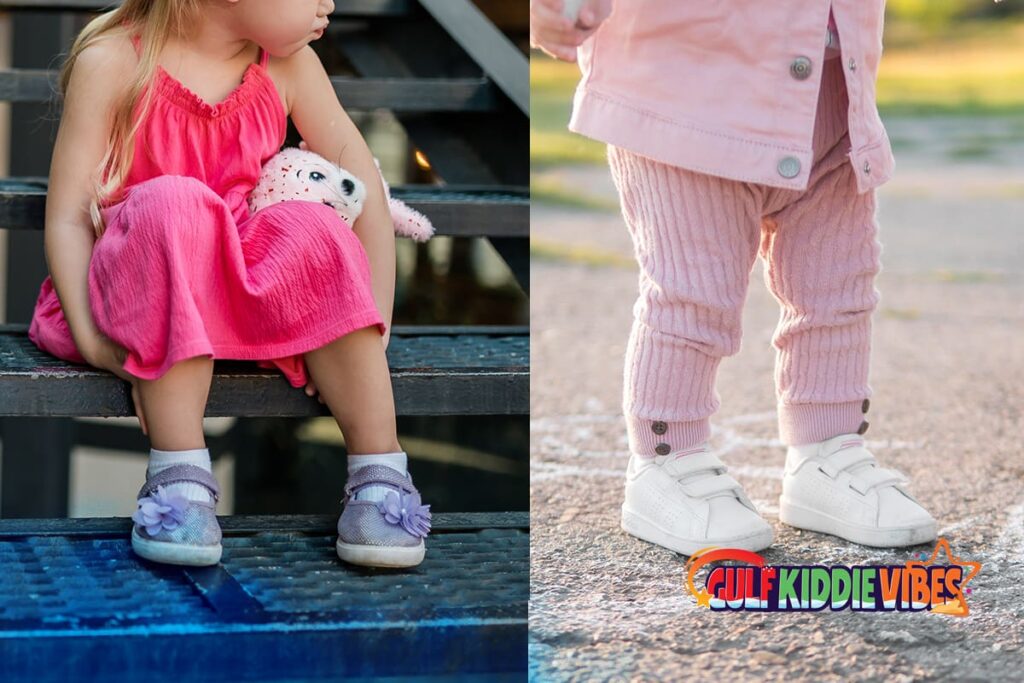
Finding shoes for a sensory sensitive kid is honestly harder than it sounds. My daughter used to refuse to wear any shoes at all. Regular shoes felt wrong to her, and I couldn’t figure out why. Then I realized it was the seams inside, the way they felt on her feet, how tight they seemed. Once I switched to sensory friendly shoes, getting her out the door became so much easier. She actually keeps them on now.
Good sensory friendly shoes have soft interiors, flexible soles, and no irritating seams inside.
Tsukihoshi makes shoes specifically for sensory sensitive kids. The interiors are smooth with no rough seams. The sole is flexible and the toe box is wide so toes aren’t cramped. The fabric is breathable. Kids who refuse regular shoes often wear these because they’re designed for comfort. They cost more but parents say it’s worth it.
Bombas Socks are seamless and soft with no irritating stitching. Bogs Kids Boots have soft rubber interiors that are flexible and easy to slip on. Together they create a comfortable sensory friendly option. Bombas Socks at Bombas and Bogs Boots at Bogsfootwear or Amazon. This combination is more affordable than specialty sensory shoes.
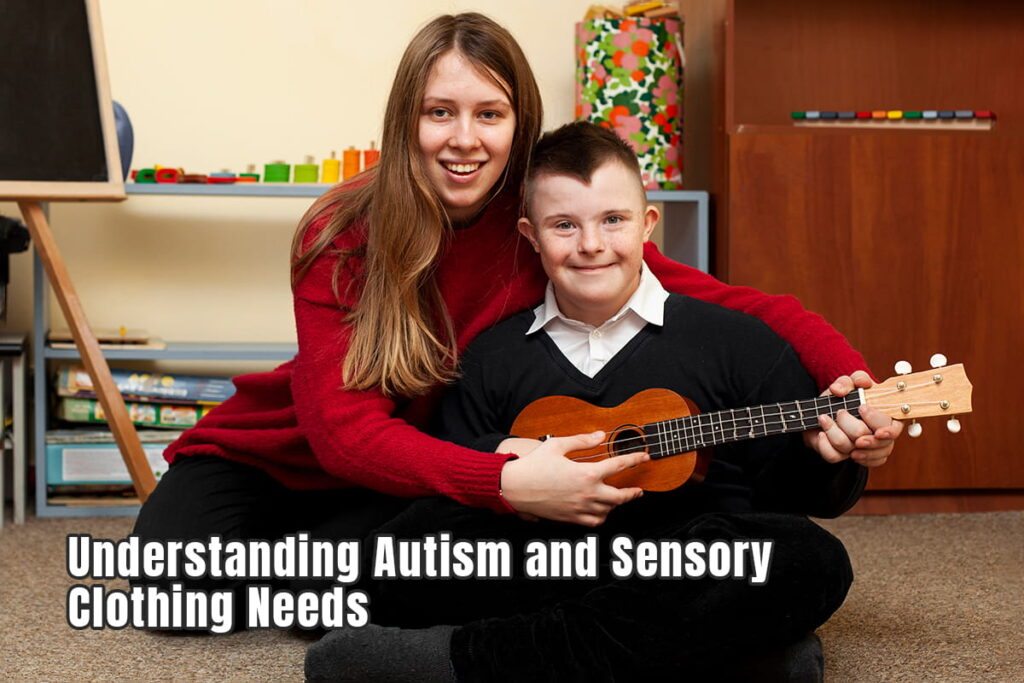
If your child is autistic, their brain processes sensations differently. A tag that you barely notice bothers them all day. A seam feels like it’s cutting into their skin. Regular fabrics can feel scratchy and unbearable. Their nervous system picks up on textures that most people ignore. When they refuse clothes or complain constantly, they’re not being difficult. They’re genuinely uncomfortable and trying to tell you.
For autistic kids, sensory sensitivities aren’t something they can just get over. Their nervous system picks up on things that most people don’t even notice. A texture that feels fine to you feels overwhelming to them. It’s not a behavior issue. It’s just how their brain processes sensations differently.
When clothes feel wrong, it messes with everything else. Getting dressed turns into a fight before school even starts. Your child shows up already stressed and upset. During the day, they’re thinking about how uncomfortable their clothes are instead of learning or playing. By the time you get home, everyone is worn out. But when you switch to clothes that actually feel good, the whole day changes. Mornings are easier. Your child can actually focus. It fixes more than just the clothing problem.
Organic cotton, soft jersey blends, bamboo fabric, and rayon blends work best. Look for smooth, breathable materials that don’t have a rough or scratchy texture. Avoid stiff fabrics, heavy knits, and materials with rough seams.
Online retailers like Amazon, Target, Kozie Clothes website, Primary website, Lucky and Me, and Sensory Smart Clothing. Many brands also have their own official websites where you can order directly. Some specialty children’s clothing stores carry sensory friendly options.
Look for constant tag pulling, refusing clothes, complaints about texture, scratching or red marks, and meltdowns during dressing time. If your child only wears a few outfits or gets really upset in clothes, they probably have sensory sensitivities.
Specialty sensory brands like Kozie Clothes and Tsukihoshi cost more. However, affordable options exist from brands like Primary and Cat & Jack at Target. Many parents find the investment worth it since their child actually wears the clothes without fighting.
Yes, throw them in the regular machine with cold water. Just check the label since some brands want a gentle cycle. Skip fabric softener and strong detergents. Air dry them when you can to keep them soft and make them last longer.
Sensory friendly clothing for toddlers isn’t something fancy or optional. It’s a real solution for kids who can’t handle regular fabrics, tags, and seams. When you understand sensory sensitivities, you stop seeing your child’s clothing resistance as bad behavior. You realize it’s an actual problem that needs solving.
The brands I’ve shared in this guide actually work. My child no longer fights getting dressed. They wear their clothes without constantly adjusting and complaining. Morning routines are calmer. There’s less stress for both of us.
If your toddler struggles with clothing, I encourage you to try sensory friendly options. It doesn’t matter if they have a diagnosis or not. If regular clothes aren’t working, there’s no harm in switching. You might find that your child finally has clothing they can actually tolerate.
Start with one or two pieces and see how your child responds. Many parents are surprised at how much of a difference it makes. Sensory friendly clothing for toddlers isn’t just about comfort. It’s about giving your child the freedom to focus on their day instead of being distracted by how their clothes feel. It’s worth exploring, and your child will thank you for it.